The relationship between physical fitness and male sexual health is not incidental. It is mechanistic. The same physiological systems that determine cardiovascular fitness, body composition, and hormonal balance directly govern erectile function, desire, and ejaculatory control. Understanding which specific forms of exercise produce which specific benefits allows a much more targeted approach than simply being told to get more active.
Aerobic exercise and erectile function
The most robust evidence in this area concerns aerobic exercise and erectile function. Multiple systematic reviews and meta-analyses have confirmed that moderate to vigorous aerobic activity, performed three to four times per week for a minimum of eight weeks, produces significant improvements in erectile function scores.
The mechanism is vascular. Sustained aerobic activity improves endothelial function, the capacity of blood vessel walls to dilate in response to demand. It increases circulating nitric oxide, the molecule responsible for smooth muscle relaxation in the penile arteries that permits engorgement. It lowers resting blood pressure and reduces arterial stiffness. These are the same vascular improvements that PDE5 inhibitors simulate pharmacologically, achieved through physiological adaptation.
A 30-minute brisk walk five times per week is not a wellness recommendation. It is a vascular intervention with direct consequences for erectile function and sexual desire.
Resistance training and testosterone
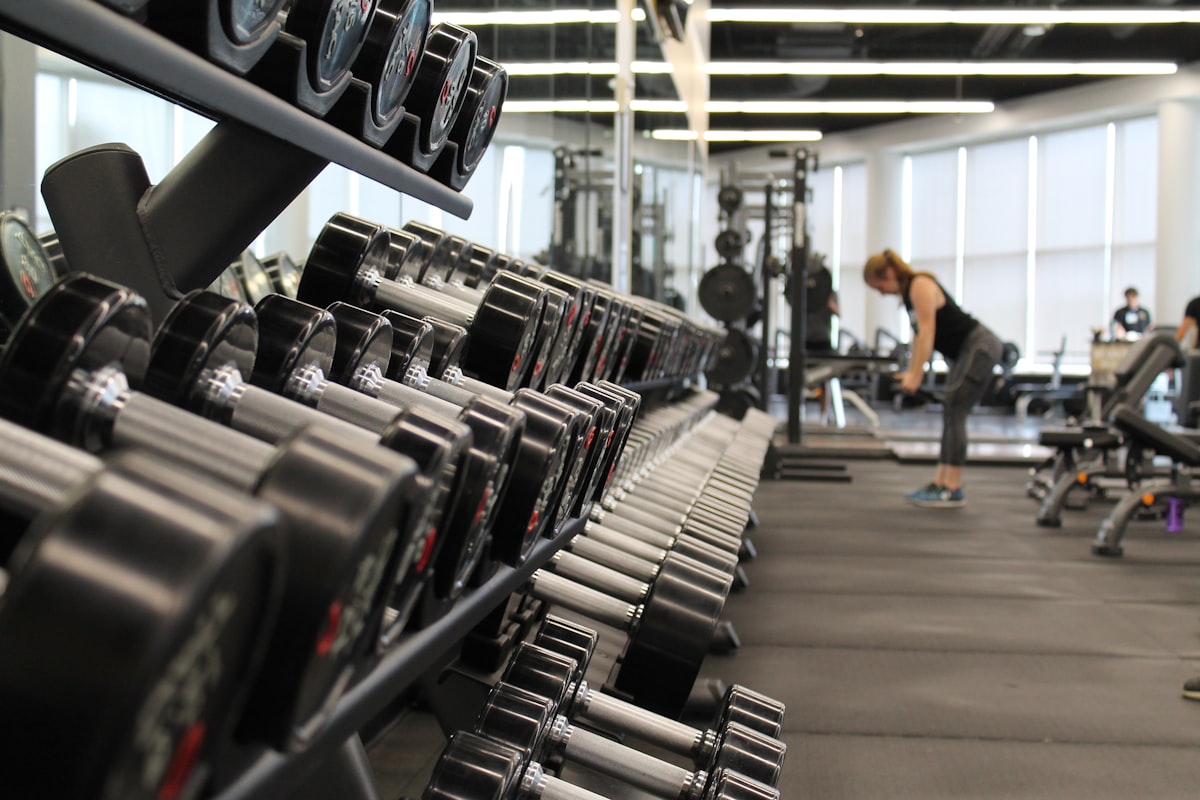
Resistance training has a direct, acute effect on testosterone levels. A well-designed strength training session produces a testosterone spike in the hours following the session. Over weeks and months of consistent training, baseline testosterone levels rise, particularly in men who are overweight or sedentary at baseline.
The most effective protocols for testosterone optimisation involve compound movements, that is, exercises engaging multiple large muscle groups simultaneously, at moderate to high intensities with relatively short rest periods. Squats, deadlifts, and bench press outperform isolation exercises for hormonal response. However, overtraining is counterproductive: excessive training volume without adequate recovery elevates cortisol and suppresses testosterone. More is not always better.
The psychological dimension of exercise
Beyond the direct hormonal and vascular effects, regular exercise produces consistent improvements in body image, self-efficacy, and mood. All three of these psychological variables directly influence sexual confidence and desire. A man who feels physically strong and capable is less vulnerable to the performance anxiety that drives many sexual difficulties.
The evidence on exercise as an intervention for anxiety and depression is robust. Given that both conditions are significant drivers of reduced libido and sexual difficulty, the indirect pathways of exercise on sexual health are at least as important as the direct ones.
What to avoid
Anabolic steroid use, even at recreational doses, typically suppresses the hypothalamic-pituitary-gonadal axis, reducing or eliminating natural testosterone production. Post-cycle crashes frequently involve significant sexual dysfunction that can persist for months. This is not a risk-benefit calculation that favours use for sexual health.
Extreme endurance training without adequate nutrition and recovery also suppresses testosterone. Ultra-marathon level volume without proper fuelling is consistently associated with low testosterone in male athletes.
Integrating exercise into recovery
Our 42-day programmes recommend specific exercise approaches in the context of each condition. For premature ejaculation, pelvic floor training is the primary physical focus. For low libido, aerobic exercise and resistance training are prioritised alongside the hormonal and psychological work. The programmes include specific guidance on how to integrate movement without creating an additional performance pressure.